How to Develop Your Leadership Skills as a CS2 IGL
As a CS2 IGL (In-Game Leader), developing your leadership skills is crucial for guiding your team to victory. Start by understanding the roles within your team and encouraging open communication among members. A successful IGL fosters an environment where players feel comfortable sharing ideas and strategies. This can be achieved by hosting regular team meetings, utilizing team-based practices, and emphasizing the importance of feedback. By actively engaging with your teammates and demonstrating empathy, you can build trust and cohesion, which are essential for effective leadership.
Another important aspect of enhancing your leadership skills as a CS2 IGL is the ability to adapt and make quick decisions under pressure. Consider implementing the following strategies:
- Analyze Past Matches: Review your gameplay and identify key moments where decision-making could improve.
- Study Other Leaders: Watch streams or videos of experienced IGLs and learn from their approach.
- Practice Scenario Planning: Prepare for various in-game situations by discussing potential strategies with your team.
Counter-Strike is a popular tactical first-person shooter game that has captivated gamers worldwide. Players must work together to complete objectives, which often involves strategy and teamwork. For those looking to enhance their gameplay, learning about cs2 grenade binds can provide a significant advantage during matches.
Key Strategies for Effective In-Game Leadership in CS2
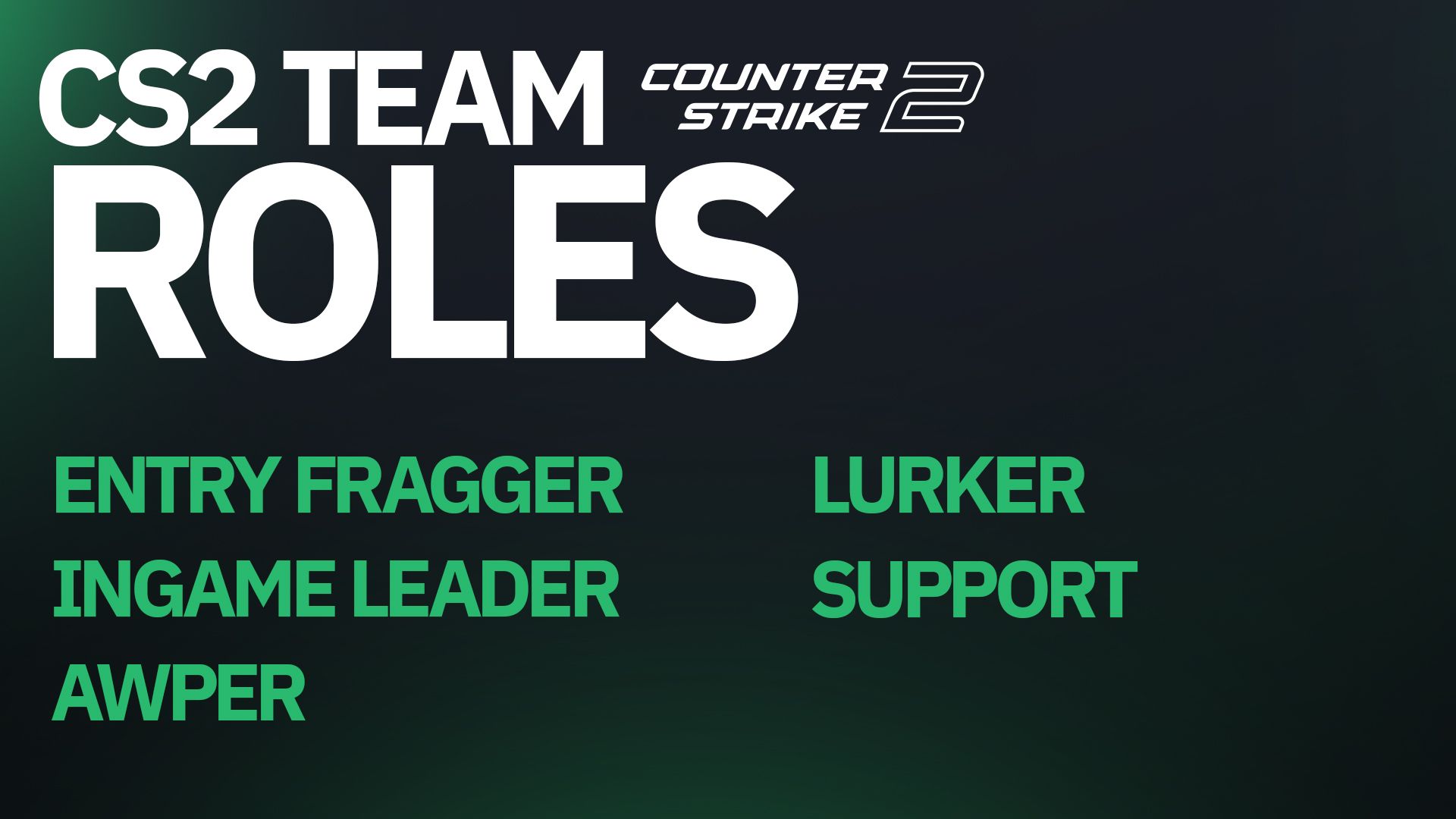
Effective in-game leadership in CS2 is essential for fostering teamwork and achieving victory. A leader must possess strong communication skills to convey strategies and adjustments in real-time. One key strategy is to establish clear roles within the team. By assigning positions based on players' strengths, you can ensure that everyone understands their responsibilities. For example, designating a strong entry fragger or a supportive AWPer can significantly impact your team's performance. Additionally, regularly discussing tactics during downtime, such as between rounds, allows the team to adapt and refine their approach based on the current match dynamics.
Another vital component of effective in-game leadership is maintaining a positive team atmosphere. A leader should work to build morale, especially during challenging scenarios. A few techniques to achieve this include:
- Encouraging open dialogue: Foster an environment where players feel comfortable sharing their insights and concerns.
- Recognizing individual contributions: Celebrate small victories to keep motivation high.
- Staying calm under pressure: Displaying composure will inspire confidence in your teammates.
A Behind-the-Scenes Look at the Daily Routine of a CS2 IGL
Being the in-game leader (IGL) in CS2 is a role steeped in responsibility and strategy. Each day begins with a detailed review of the previous day's matches, where the IGL analyzes gameplay footage, focusing on both their team's performance and the enemy's tactics. This involves creating a shortlist of key takeaways and actionable insights that can be implemented in future matches. Subsequently, the IGL organizes a meeting with the team to discuss strategies, where each member can share their thoughts and contribute to the overall game plan.
After strategizing, the IGL transitions into practical training sessions, which may include practicing specific team formations, communication drills, or engaging in scrims against other teams. Time management is crucial in this phase; the IGL not only monitors the clock but also ensures that players are focusing on key aspects that enhance their teamwork and individual skills. By the end of the day, the IGL wraps up with a brief reflection session to evaluate the effectiveness of the training and adapt plans for the next day, solidifying their role as a pivotal figure in their team’s success in CS2.