The Strategic Mindset: What Makes a Great IGL in CS2?
In the competitive realm of CS2, an In-Game Leader (IGL) is often the linchpin of a team's success. A great IGL possesses a strategic mindset that enables them to not only dictate the pace of the game but also to read the opponent's movements and strategies effectively. This capability is rooted in a deep understanding of game mechanics and maps, combined with an acute awareness of team dynamics. The best IGLs are skilled at communicating tactics clearly, ensuring that every teammate is on the same page, which can make the difference between victory and defeat.
Moreover, a great IGL must be adaptable, capable of shifting strategies mid-game based on the unfolding situation. This adaptability involves crucial decision-making under pressure, where the IGL assesses various factors such as player performance, enemy behavior, and economic status. Great IGLs often employ a combination of analytics and intuition; they analyze past matches to inform their strategies while also trusting their gut in the heat of battle. Ultimately, the strategic mindset of an effective IGL not only inspires confidence within the team but also fosters a culture of resilience and adaptability.
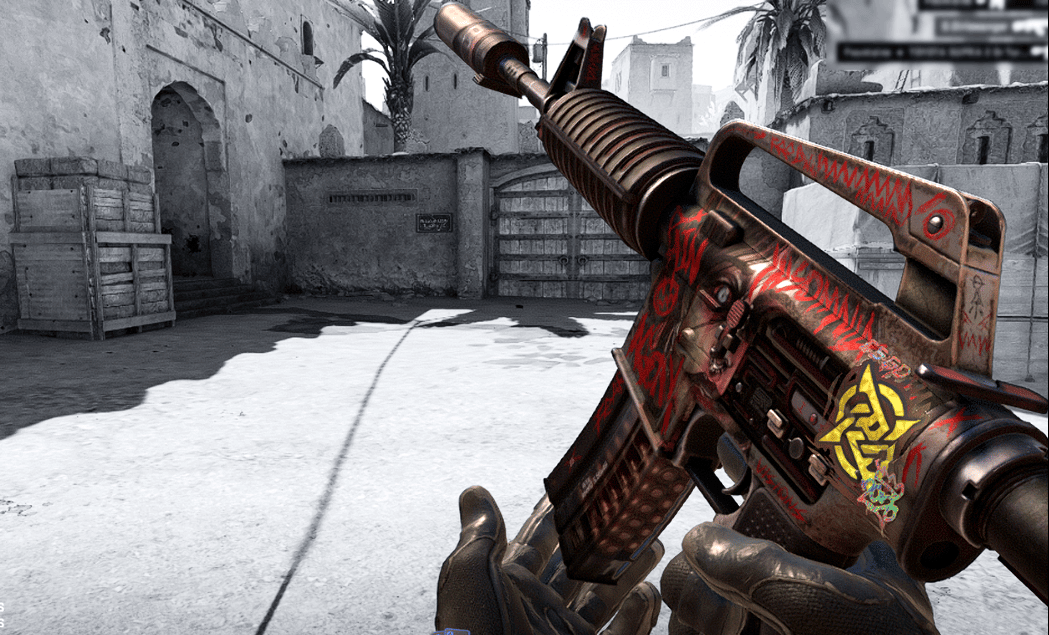
Counter-Strike is a highly popular tactical first-person shooter game that pits teams of terrorists against counter-terrorists. Players engage in various scenarios, from bomb defusal to hostage rescue, showcasing strategy and teamwork. You can enhance your gameplay and inventory with unique items, such as the CS2 Stash Box, which provides a chance to unlock exciting skins and weapons.
Behind the Scenes: The Unsung Responsibilities of an IGL in Competitive CS2
In the competitive world of CS2, the role of an In-Game Leader (IGL) extends far beyond mere tactical calls during matches. An IGL is responsible for not just the game plan, but also for orchestrating team dynamics and fostering consistent communication among all players. This includes assessing the strengths and weaknesses of each team member, optimizing strategies based on their individual skills, and continuously adapting to the opponent's playstyle. For instance, during crucial moments in a game, an IGL must maintain a calm demeanor, deciding whether to initiate an aggressive offense or to play defensively based on the situation and the mental state of the team.
Moreover, an effective IGL is also a mentor and strategist, spending significant time outside of match hours analyzing gameplay footage and statistics. This involves creating detailed analyses of both their own team's performances and those of potential rivals, which enables them to devise counter-strategies. The stress of such responsibilities is immense, as a poor decision can lead to the team's downfall. To thrive in this role, an IGL needs to possess a strong understanding of the game mechanics, excellent leadership qualities, and the ability to motivate teammates—making them truly the unsung hero behind the victories in CS2.
How to Identify and Support Your IGL: Tips for Success in CS2
Identifying and supporting your IGL (In-Game Leader) in CS2 is crucial for team success. The IGL is responsible for making strategic decisions, calling plays, and maintaining team morale. To effectively identify your IGL, consider their communication skills, game sense, and ability to remain calm under pressure. A good IGL not only understands the game mechanics but also knows how to leverage each team member's strengths. As a teammate, you should actively listen to their calls and provide constructive feedback when necessary, fostering a collaborative environment.
Once you've identified your IGL, supporting them is essential to ensure the team's overall performance. Here are some tips to help you provide effective support:
- Communicate Regularly: Keep lines of communication open with your IGL to discuss strategies and adapt mid-game.
- Understand Their Vision: Make an effort to learn your IGL's playstyle and tactics to align your gameplay accordingly.
- Be Patient: Recognize that the IGL may make decisions that seem risky but trust their judgment during critical moments.
By actively supporting your IGL, you contribute to a stronger, more cohesive team.