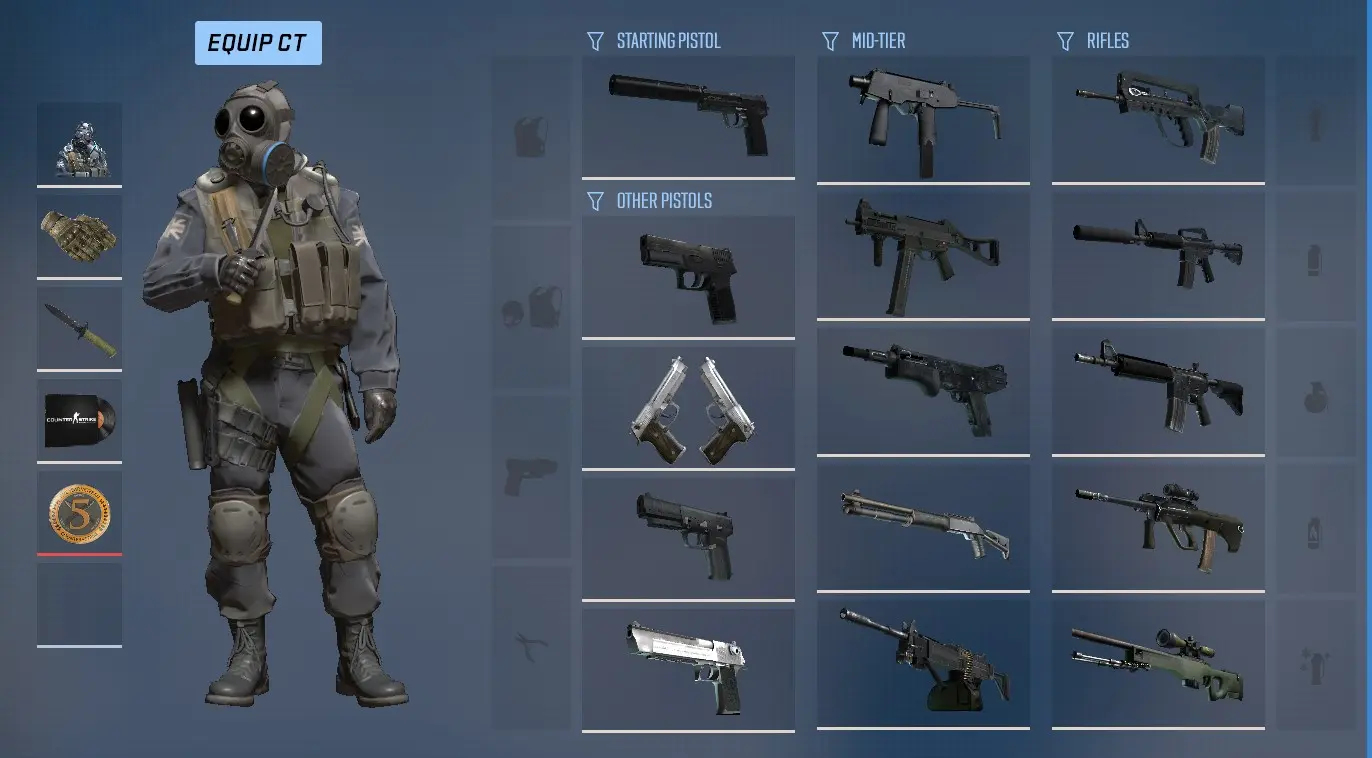
Understanding Force Buy Rounds: A Strategic Guide for CS2 Players
Understanding Force Buy Rounds is crucial for players looking to gain an edge in CS2. A force buy round occurs when your team lacks enough economy to purchase full weapons and utilities but opts to spend whatever money they have to put pressure on the enemy. This strategy can catch opposing teams off guard, allowing you to potentially secure an upset victory. To effectively implement a force buy, it’s essential to communicate with your teammates to decide on a coherent strategy that enhances your chances of success in this critical phase of the game.
When considering a force buy, always evaluate your team's current economy and the round context. If you're on the losing side and need to turn the tide, a well-timed force buy can disrupt your opponent's momentum. Prioritize cost-effective weapons like SMGs and armor, and ensure you coordinate your tactics—such as rushes or flanks—to maximize impact. Remember, while a force buy can be risky, it also presents an opportunity to regain control of the match by catching your foes unprepared.
Counter-Strike is a highly popular first-person shooter game that emphasizes team play and strategy. Players compete in various modes, including competitive matches and casual play, where they can acquire items like the winter offensive weapon case to enhance their gameplay experience. The game has evolved through multiple iterations, maintaining a dedicated player base and frequent updates to keep the experience fresh and engaging.
Maximizing Your Returns: The Art of Force Buying in CS2
Maximizing your returns in CS2 involves understanding various strategies, one of which is force buying. Force buying is a tactic where players purchase weapons and equipment regardless of their economic situation to maintain pressure on the enemy team. This approach can lead to significant returns when executed correctly. For example, when a team is on the verge of losing, a well-timed force buy can disrupt the opponents’ momentum, resulting in crucial rounds won and ultimately turning the tide of the match.
To master the art of force buying, it's essential to analyze your team's economy and the situation at hand. Consider a scenario where your team has just lost a round, and the opponents are on a winning streak. Instead of waiting to accumulate funds for a full buy, a strategic force buy can catch them off guard. Equip your team with rifles and utility; even a well-placed smoke grenade can provide the cover needed to sway the outcome. Remember, the goal is to maximize your chances, and sometimes, investing heavily in a single round can yield high returns.
When to Force Buy in CS2: Key Indicators and Strategies
In CS2, understanding when to force buy can be a game-changer for your team's performance. A force buy is often necessary when your team is low on economy, but the round is crucial for maintaining momentum. Key indicators to consider when deciding to force buy include:
- Current round advantage: If your team has won the last few rounds, it may be worth risking a force buy to capitalize on the momentum.
- Enemy economy: If you suspect the opposing team is low on funds, a force buy might help you break their economy and tip the match in your favor.
- Strategic positioning: If you have control of critical map areas, a force buy can help you maintain that advantage and keep pressure on the enemy team.
When implementing a force buy, there are several strategies that can maximize your team's effectiveness. First, communicate clearly with your teammates about the decision to force buy, ensuring everyone is on the same page. Next, prioritize purchasing high-impact weapons and utility that can enhance your chances in the round. For instance, if playing as Terrorists, consider opting for SMGs to exploit your opponents' weaker weapons. Lastly, focus on aggressive tactics, as a surprise attack can catch the enemy off-guard, providing a greater chance to secure an early advantage. By recognizing these key indicators and employing strategic force-buy methods, your team can turn the tide in critical moments.