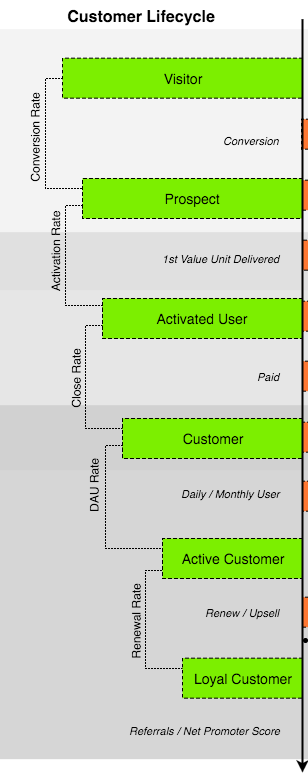
The Journey from Casual Gamer to Loyal Fan: Understanding Player Acquisition Funnels
The transformation from a casual gamer to a loyal fan is a critical process that many game developers and marketers strive to understand. This journey often begins with initial exposure, where players encounter a game through advertisements, social media, or word-of-mouth. Once a player downloads or engages with the game, the player acquisition funnel activates, guiding them through various stages such as awareness, engagement, and ultimately, retention. At this stage, developers must focus on delivering an exceptional experience, as positive interactions can lead to higher chances of converting casual players into dedicated fans.
To effectively move players through the acquisition funnel, it's essential to implement strategies that encourage engagement. This can include offering in-game rewards, creating compelling storylines, or facilitating community interactions through forums and social media platforms. According to research, players who feel a deep connection to a game are more likely to become loyal fans. Developers should focus on gathering feedback and continually improving the game experience to nurture this loyalty. By understanding the nuances of player acquisition funnels, game creators can better tailor their approaches, ensuring they not only attract players but also cultivate a dedicated fanbase.
Counter-Strike is a popular tactical first-person shooter game that has captivated millions of players worldwide. Its competitive gameplay and team-based strategies are enhanced by various promotional events and offers, such as the shuffle promo code, which can provide players with exciting in-game rewards. The game's dynamic maps and rich community make it a staple in the esports scene.
5 Key Strategies for Optimizing Your Player Acquisition Funnel
Optimizing your player acquisition funnel is essential for maximizing the effectiveness of your marketing strategies. Here are five key strategies to consider:
- Define Your Target Audience: Understanding who your ideal players are will help you tailor your messaging and marketing efforts. Utilize demographics, interests, and behaviors to create detailed player personas that guide your acquisition tactics.
- Leverage Data and Analytics: Use analytics tools to track player behavior throughout the acquisition process. By analyzing where drop-offs occur, you can make data-driven decisions to improve each stage of the funnel.
Additionally, focusing on multichannel marketing is crucial. Employ a mix of channels such as social media, email marketing, and influencer partnerships to reach a broader audience.
- Optimize Your Landing Pages: Ensure your landing pages are designed to convert visitors into players. This includes a clear call-to-action, engaging visuals, and a smooth user experience.
- Engage Through Follow-Up: Keep the conversation going post-acquisition. Use personalized emails and targeted promotions to nurture new players and encourage long-term loyalty.
How to Use Data Analytics to Transform Casual Players into Dedicated Fans
In today's competitive gaming landscape, utilizing data analytics is essential for transforming casual players into dedicated fans. By closely analyzing player behavior, engagement metrics, and in-game choices, developers can tailor their offerings to enhance the player experience. For instance, segmenting players based on their engagement levels allows for targeted marketing strategies that resonate more deeply with potential long-term fans. Effective data analytics not only helps in identifying player preferences but also aids in crafting personalized content that keeps players invested.
Moreover, leveraging data analytics can significantly improve community engagement efforts. Gamers often seek out communities where they feel understood and valued. Employing data-driven insights, game developers can create events, challenges, or rewards that align with players’ interests and habits. This targeted approach fosters a sense of belonging, encouraging casual players to transition into more engaged, loyal participants. Ultimately, the right use of analytics can convert fleeting participation into a committed fanbase, driving long-term success for any gaming platform.