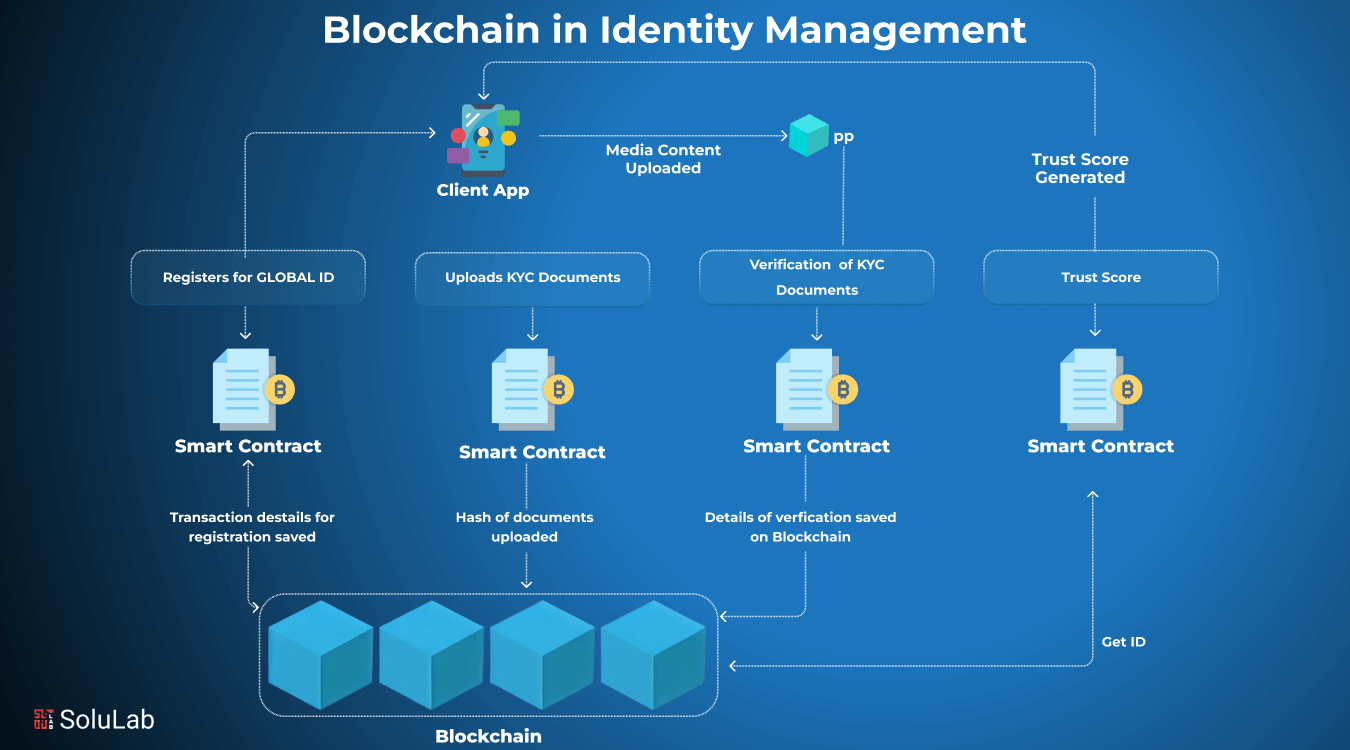
5 Essential Tips for Securing Your Crypto Wallets
In the rapidly evolving world of cryptocurrency, securing your crypto wallets is more important than ever. Here are 5 essential tips to help you protect your digital assets from potential threats:
- Use Hardware Wallets: Consider using a hardware wallet for storing large amounts of cryptocurrencies. Unlike software wallets, hardware wallets keep your private keys offline, significantly reducing the risk of hacking.
- Enable Two-Factor Authentication: Always enable two-factor authentication (2FA) on any service that offers it. This adds an extra layer of security by requiring a second form of verification in addition to your password.
Additionally, keeping your software updated is crucial for maintaining security. Make sure to regularly update your wallet software and any associated applications to protect against vulnerabilities. Also, be aware of phishing attacks; always double-check URLs and be cautious about sharing sensitive information. Following these best practices will help you secure your crypto wallets and keep your investments safe.
- Backup Your Wallet: Regularly create backups of your wallet to safeguard against loss.
- Be Wary of Public Wi-Fi: Avoid accessing your wallets over public Wi-Fi networks to reduce the risk of unauthorized access.
Counter-Strike is a popular first-person shooter game that has captivated millions of players around the world. It involves team-based gameplay where players can choose to be part of either the terrorist or counter-terrorist team. For those looking to enhance their gaming experience, using a cryptocasino.com promo code can unlock exciting bonuses and rewards.
How to Choose the Best Encryption Methods for Cryptocurrency Safeguarding
Choosing the best encryption methods for cryptocurrency safeguarding is crucial for securing your digital assets against theft and unauthorized access. One of the primary considerations is the type of encryption algorithm you opt for. The most commonly used algorithms include AES (Advanced Encryption Standard), RSA (Rivest-Shamir-Adleman), and SHA (Secure Hash Algorithm). Each of these algorithms has its strengths and weaknesses in terms of security level and processing speed. For instance, AES is renowned for its speed and efficiency, making it ideal for encrypting large volumes of data quickly, while RSA, though slower, offers a higher level of security for key exchange purposes.
Additionally, it is essential to consider factors such as key management and data integrity when selecting an encryption method. Use secure key storage solutions to ensure that your encryption keys remain protected from unauthorized access. Implementing multi-signature wallets can further enhance security by requiring multiple approvals for transactions. Moreover, always incorporate regular security audits and keep your encryption protocols updated as new vulnerabilities are discovered. By prioritizing robust encryption methods and maintaining best practices, you can significantly mitigate the risks associated with cryptocurrency security.
Are Your Digital Assets Truly Safe? Common Pitfalls in Crypto Identity Protection
In an age where digital transactions dominate, the safety of your digital assets has never been more critical. Many individuals mistakenly believe that simply using cryptocurrency wallets or multi-factor authentication is enough to secure their online identities. However, common pitfalls often leave users vulnerable to cyber threats. For instance, neglecting to regularly update security protocols or using weak passwords can create significant vulnerabilities. According to recent studies, nearly 60% of crypto owners fail to employ advanced security measures, exposing their assets to potential hacks and fraud.
Moreover, the failure to recognize phishing scams poses another significant risk. These deceptive schemes often mimic reputable exchanges and wallets, tricking users into compromising their identity protection. To safeguard your digital assets, consider implementing the following strategies:
- Utilize hardware wallets for offline storage
- Enable two-factor authentication across all accounts
- Be wary of unsolicited communication requesting personal information
By taking these steps, you can significantly enhance your crypto security and protect your valuable assets from unforeseen threats.