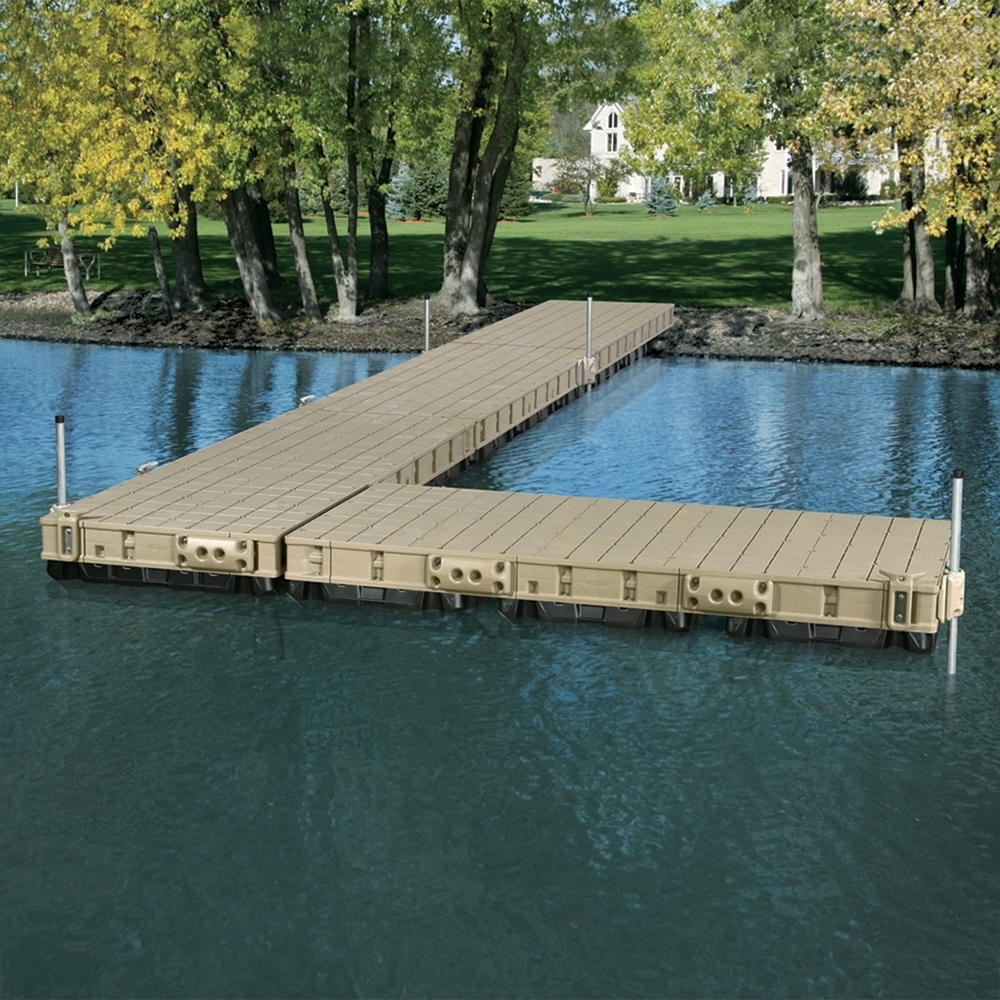
Top 5 Modern Mooring Solutions for Safe Docking
Mooring your boat safely is crucial for preventing damage and ensuring accessibility. As nautical technology evolves, so do the solutions available for secure docking. Here are the Top 5 Modern Mooring Solutions that stand out for their innovative designs and reliability:
- Smart Mooring Systems: These systems leverage sensors and automated technology to provide real-time feedback on weather and tidal conditions, optimizing mooring strategies.
- Your Docking Assistant: With advanced remote control features, some modern systems allow you to dock your boat with minimal effort, eliminating the stress of manual docking.
- Adjustable Cleats: These versatile hardware pieces can be repositioned according to the specific needs of your boat, ensuring a secure fit regardless of its size or weight.
- Heavy-Duty Mooring Buoys: Designed to withstand harsh marine conditions, these mooring buoys provide stable anchoring points that enhance safety.
- Dual-Line Mooring Systems: By employing two lines instead of one, these systems offer increased stability and reduce the risk of boats drifting away in rough waters.
When looking for the best options to keep your devices powered, check out the Top 10 Charging Stations with Cables. These charging stations provide multiple ports and come with built-in cables, ensuring convenience and efficiency for all your devices. Whether you need fast charging or a sturdy design, there's something for everyone in this top-ranked list.
How to Choose the Right Docking Equipment for Your Vessel
Choosing the right docking equipment for your vessel is crucial for ensuring safety and efficiency during the docking process. First, consider the size and type of your vessel, as well as the conditions in which it operates. Docks can vary significantly, so it's essential to assess the equipment's compatibility with your boat. Factors like weight capacity, floatation properties, and materials used in construction should be evaluated. A good starting point is to make a list of your vessel's specifications and then compare them against the docking solutions available in the market.
Next, think about the specific docking features that will benefit you the most. You may want to prioritize features such as ease of installation, durability, and user-friendly operation. Additionally, read up on customer reviews and consult with marine experts to gather insights into the best brands and models. Don't overlook the importance of maintenance requirements and accessibility; selecting equipment that allows for easy upkeep can save you both time and money down the line.
Common Docking Mistakes and How to Avoid Them
Docking a boat can be a challenging task, and common docking mistakes can lead to accidents and damages. One of the most frequent errors is not checking the wind and current conditions before attempting to dock. It’s essential to assess these elements, as they can significantly affect your boat’s trajectory. Another common mistake is approaching the dock at too high a speed; this can result in hard impacts. Practicing in calm conditions, and getting familiar with the handling of your vessel, can minimize such risks.
Additionally, many boaters neglect to properly communicate with their crew during the docking process. Clear instructions and signals can ensure everyone is on the same page, reducing the chances of miscommunication. To avoid common docking mistakes, consider developing a docking plan that includes the use of fenders, lines, and adequate space for maneuvering. Finally, keep in mind to always maintain a safe distance from other boats and obstacles; patience and practice are key to mastering the art of docking.